
Tool Directory of Conservation Plans for the Haut-Saint-Laurent


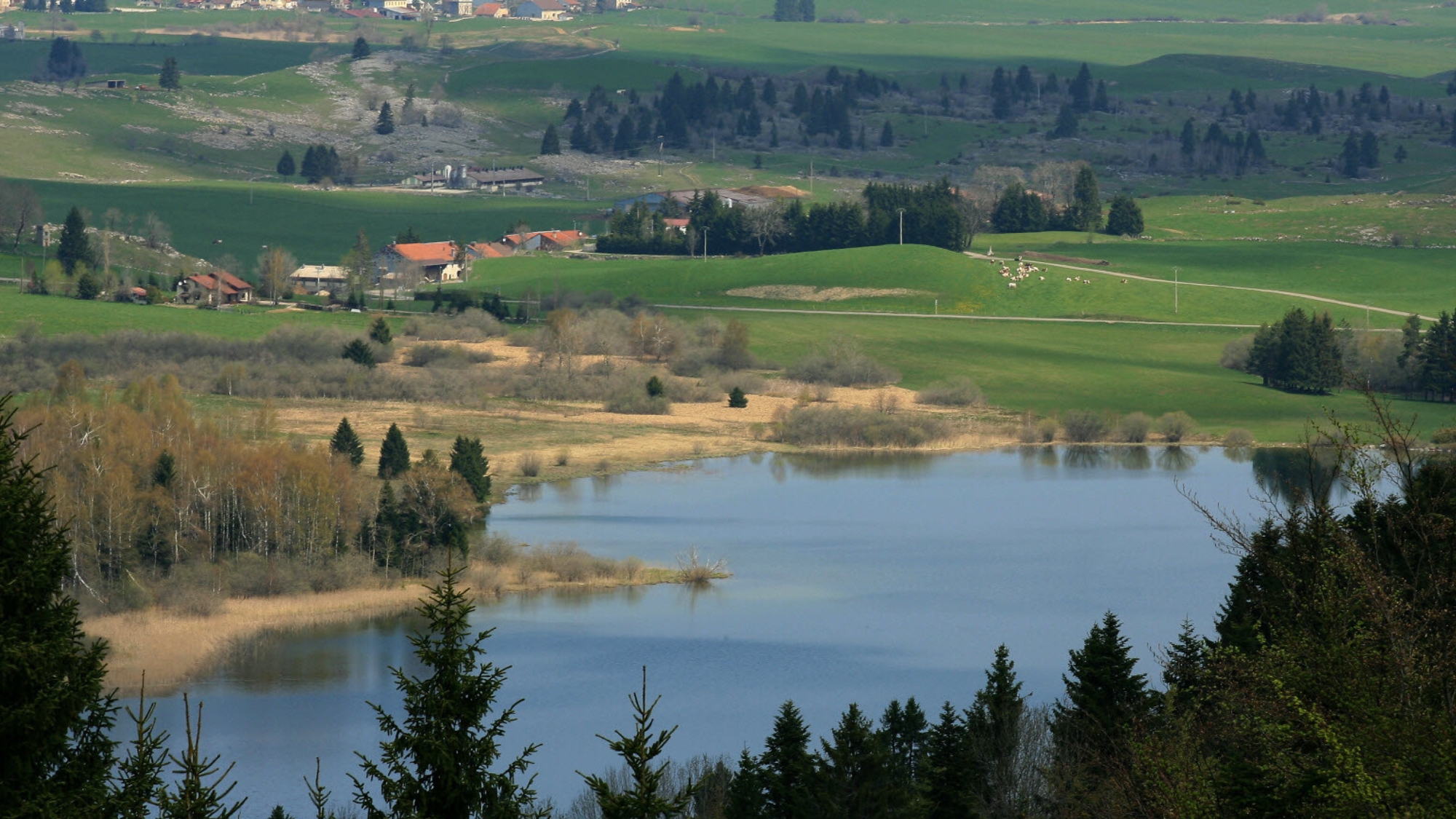
Do you know which projects are helping protect the wetlands, rivers, forests, and biodiversity of the Haut-Saint-Laurent?
Thanks to an interactive tool developed by Ambioterra for the Haut-Saint-Laurent Environmental Roundtable, you can now discover in just a few clicks:
✅ The region’s key environmental priorities
✅ Which organizations are already working to protect the territory
✅ Which natural areas are most vulnerable
✅ What actions are being proposed to improve the situation
✅ How you can get involved and make a difference in your community
27 Environmental Plans Covering the Haut-Saint-Laurent Region
The tool brings together and analyzes 27 different environmental plans developed by local organizations, municipalities, researchers, and regional partners.
Natural Environments
- Wetlands
- Rivers and Watercourses
- Forests
- Agricultural Lands
- Urban Areas
- Groundwater
Protected Species
- Birds
- Amphibians
- Mammals
- Fish
- Reptiles
- Species at Risk
Identified Threats
- Loss of Natural Habitats
- Invasive Species
- Climate Change
- Pollution
- Erosion
- Agricultural Activities
- Watercourse Degradation
Proposed Solutions
- Natural Habitat Conservation and Restoration
- Management of Invasive Species
- Climate Change Adaptation and Mitigation
- Pollution Prevention and Reduction
- Erosion Control
- Sustainable Agricultural Practices
- Watercourse Protection and Restoration
Why Is This Tool Sooooo Useful?
Because environmental issues directly affect your daily life.
Would you like to know:
- Why is the water becoming more turbid?
- Which projects aim to improve its quality?
- What species live there?
The tool allows you to identify the plans that relate to your river or your area.
You’ll also discover the actions already planned and the organizations responsible for implementing them.
Would you like to:
- Protect your property?
- Support biodiversity?
- Learn about existing initiatives?
The tool helps you identify plans related to forested areas and the recommended conservation measures.
It’s a great way to discover how you can contribute to protecting and preserving natural environments.
For example:
- Salamanders
- Bats
- Specific bird species
- Turtles
The tool helps identify projects related to these species and the proposed protection measures.
You’ll gain a better understanding of the issues affecting local wildlife and learn how to report your observations to the appropriate organizations.
Several plans address:
- Water quality
- Soil protection
- Riparian buffer zones
- Ecological corridors
The tool allows you to explore existing initiatives already underway in your area.
You’ll be able to discover:
- The region’s key environmental challenges
- The organizations active in your area
- Ongoing projects
- Opportunities for community involvement
What the Analysis Has Already Revealed
By reviewing the 27 conservation and environmental plans identified across the Haut-Saint-Laurent region, a clear picture of the territory’s environmental priorities emerges.
The natural environments receiving the greatest attention are wetlands, which are addressed in nearly 70% of the plans analyzed. As vital reservoirs of biodiversity, wetlands play a key role in water filtration, flood prevention, and the survival of numerous species. Aquatic and riparian environments follow closely, appearing in 63% of the plans, while forest ecosystems are a focus of 59% of the initiatives reviewed.
The analysis also highlights the main pressures threatening the region’s environment. These include habitat degradation and loss, impacts associated with agricultural activities, the growing presence of invasive species, changes in hydrological regimes, and the sedimentation and silting of waterways. These issues appear repeatedly throughout the plans and represent significant challenges to the health of local ecosystems.
From a biodiversity perspective, several groups of species receive particular attention from conservation organizations. Fish, mammals, amphibians, and birds are among the species most frequently targeted by the proposed protection and restoration measures.
Together, these findings demonstrate that the protection of natural environments and biodiversity remains a key priority for organizations and stakeholders throughout the Haut-Saint-Laurent. They also underscore the importance of continued collaboration to preserve the region’s natural assets for current and future generations.
How to Use the Interactive Tool?
The tool is an Excel file that can be filtered based on the information you are looking for. You can combine multiple criteria to quickly find the information that interests you.
Example 1: I Want to Learn About Projects Protecting Birds
Taxon: Birds
You Will Find:
- The relevant plans
- The targeted species
- The proposed actions
Example 2: I Want to Explore Initiatives Related to Wetlands
Environment: Wetland
You Will Discover:
- Active projects
- Participating organizations
- Conservation objectives
Example 3: I Want to Know Which Projects Affect My Municipality
Geographic Area
You Will Be Able to Identify:
- Relevant plans
- Priority issues
- Opportunities for involvement
Example 4: I Want to Understand the Impacts of Invasive Species
Threat: Invasive Species
You Will See:
- Which plans address this issue
- What solutions are being proposed
- What citizen actions can help limit their spread
Take Action
Consulting the tool is a first step.
AT HOME
✓ Reduce the use of pesticides
✓ Plant native species
✓ Preserve mature trees
✓ Reduce water consumption
IN THE COMMUNITY
✓ Participate in community clean-up events
✓ Report invasive species
✓ Support conservation projects
✓ Participate in public consultations
AS A VOLUNTEER
✓ Join a local organization
